


Incorporating Modern Technology in Fairground Architecture
Incorporating Modern Technology in Fairground Architecture
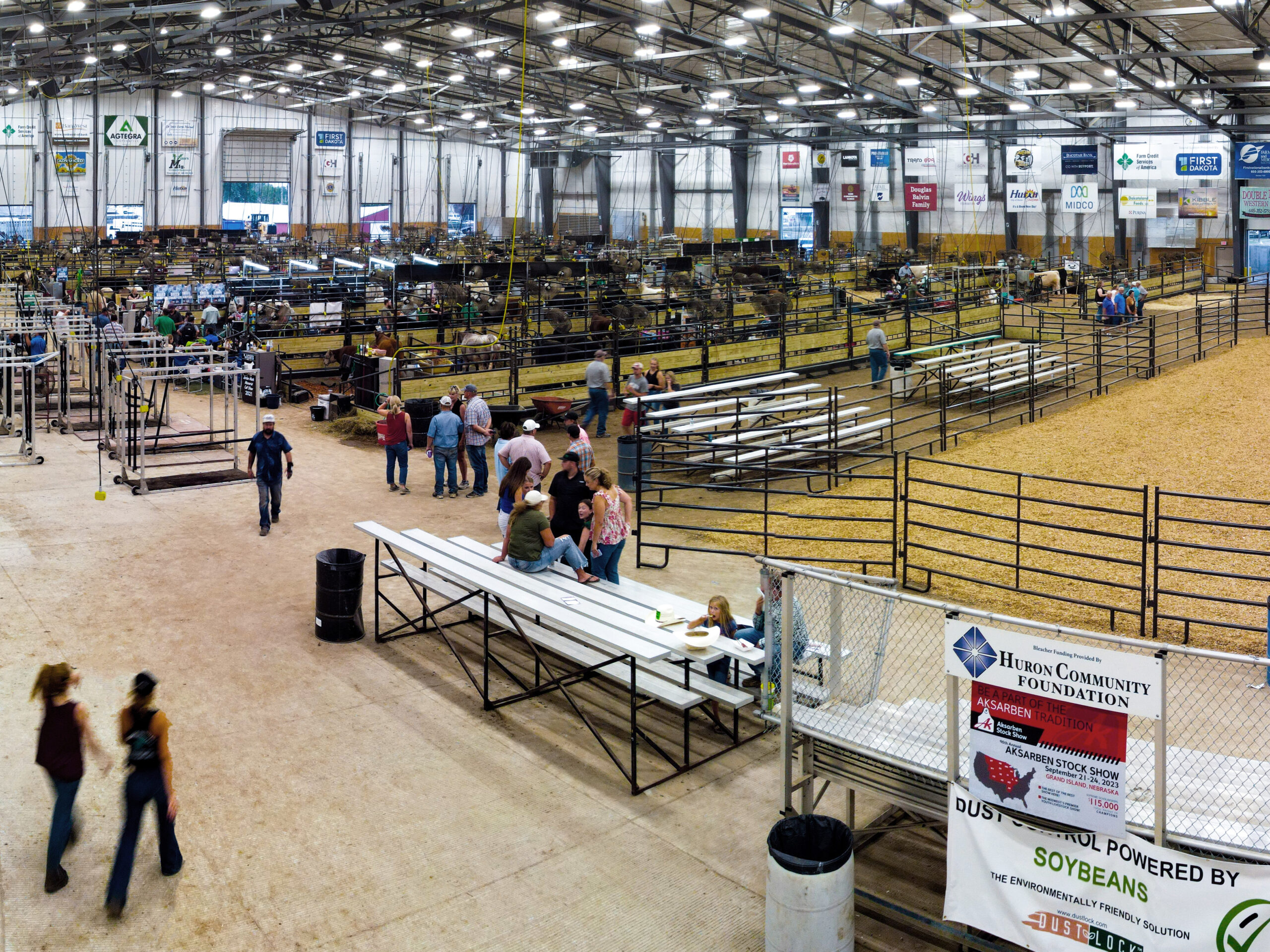
In today’s rapidly evolving technological landscape, fairground buildings must be designed to meet the needs of contemporary events and activities. This means incorporating modern technology and designing the building in a way that can accommodate changing needs and uses over time. To achieve this, there are several key considerations that should be taken into account.
Firstly, a modern fairground building should be equipped with robust digital infrastructure that can support a range of technology needs. This includes high-speed internet connectivity, Wi-Fi access points, and the necessary wiring and cabling to support a range of digital devices. Without these elements, modern events and activities may not be able to function to their full potential, limiting their impact and effectiveness.
Another crucial factor to consider is the audiovisual equipment required to support modern events and activities. This includes large-format screens, projectors, high-quality sound systems, and lighting rigs. Without these elements, it may be challenging to create an immersive and engaging experience for visitors, reducing the overall impact and success of events. To meet the needs of contemporary events and activities, a fairground building should also be designed with customizable spaces that can be easily reconfigured to suit different purposes. This includes moveable partitions, modular furniture, and other flexible design elements that can allow for a wide range of events to be held in the same space. This versatility ensures that the fairground building can adapt to changing needs and uses over time, making it a valuable asset for the community.
Sustainable design is also an important consideration when designing fairground buildings. This includes the use of energy-efficient lighting and HVAC systems, renewable energy sources, and other eco-friendly features. With sustainability becoming an increasingly important issue for many communities, designing fairground buildings with a focus on environmental impact can help to ensure the building remains relevant and useful for years to come. As a fair designer safety and security are also important factors to consider. When designing fairground buildings for contemporary events and activities. This includes advanced fire suppression systems, video surveillance, and secure access control systems. With the threat of terrorism and other security concerns increasing in recent years, designing buildings that prioritize safety and security is critical.
Accessibility is another important consideration. Fairground buildings must be designed with the needs of all visitors in mind, including those with disabilities. This includes features such as wheelchair ramps, elevators, and accessible restrooms, ensuring that everyone can enjoy the events and activities hosted in the building.
Integration with technology is also important. A modern fairground building should be designed to integrate with modern technology, such as mobile apps and other digital tools. This can help event organizers and visitors to better manage events and activities, and can enhance the overall experience for everyone involved.
Finally, user experience is a critical factor in designing fairground buildings for contemporary events and activities. This includes easy-to-use interfaces, intuitive wayfinding systems, and other features that help visitors navigate the building and enjoy their experience. With a focus on user experience, fairground buildings can create a welcoming and engaging atmosphere that encourages visitors to return time and again.
Designing fairground buildings for contemporary events and activities requires a range of considerations, including digital infrastructure, audiovisual equipment, customizable spaces, sustainable design, safety and security, accessibility, integration with technology, and user experience. By taking these factors into account, fairground buildings can become valuable assets for the community, providing versatile and adaptable spaces that can host a wide range of events and activities.
